
I recently showed a home that stopped me the moment we opened the front door.
Before I even had a chance to take in the layout or the finishes, I noticed the smell — clean, crisp, welcoming. The seller had an essential oil diffuser running in the kitchen and it filled the whole house with something that just made you want to stay. The counters were clear, the décor was simple and classic, the kids’ rooms were actually tidy, and the closets showed off every inch of storage space they had. Outside, the yard was neat, the deck was free of clutter, and the landscaping was trimmed and minimal.
That seller wanted to sell their home — and it showed in every single detail.
That’s what great staging looks like. And I promise you, it doesn’t require a decorator or a big budget. It just requires intention. Here are the five things I tell every seller before we put that sign in the yard.
Tip 1 — First Impressions Start at the Curb
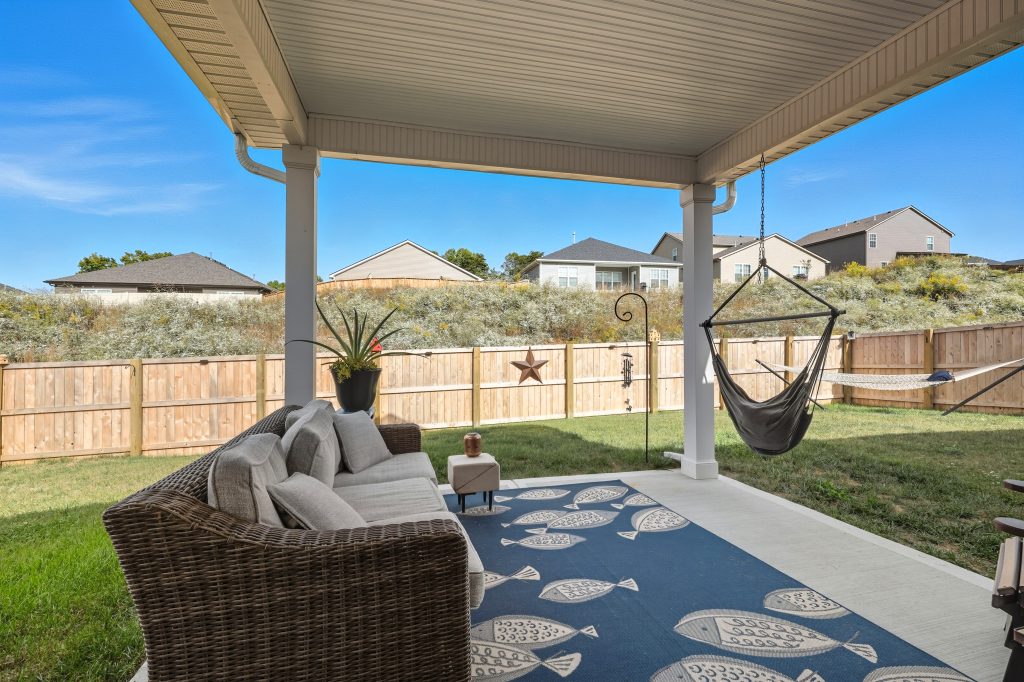
Before a buyer ever steps through your front door, they’ve already started forming an opinion. The moment they pull into the driveway, they’re taking it all in — the yard, the landscaping, the front door, the porch. That walk from the car to your front door sets the entire tone for the showing.
Neat, freshly mulched landscaping is one of the simplest and most impactful things a seller can do. It’s not expensive and it tells buyers immediately that this home has been cared for. A pop of color helps too — whether it’s a freshly painted front door or an attractive seasonal wreath, those small touches create a positive first impression before anyone’s even seen the inside.
Here’s what I always tell my sellers: when a buyer sees a well-maintained exterior, they immediately assume the interior is well maintained too. Give them every reason to believe that before they ring the doorbell.
Tip 2 — Declutter Like You’re Already Moving
Less is always more when you’re showing a home. Always.
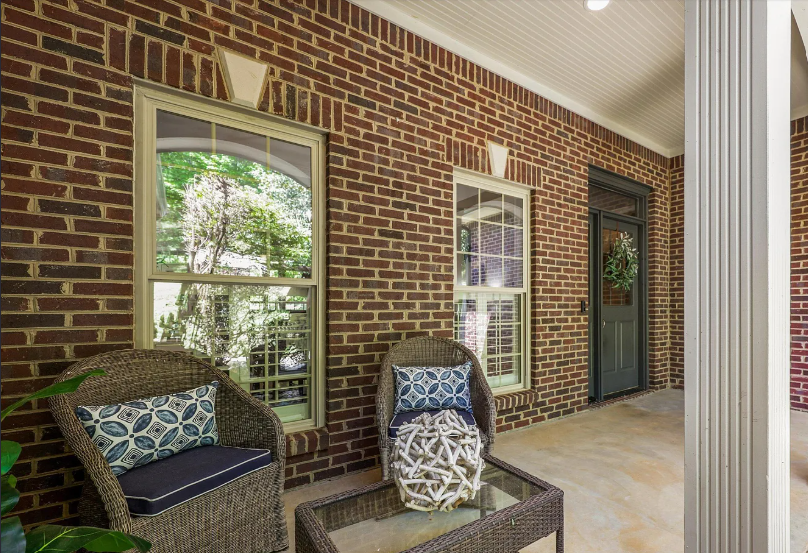
The most common mistake I see? Too many items on the kitchen counters. Countertops are one of the first things buyers notice in a kitchen — the material, the color, the space — and when they’re covered in appliances and mail and everything else that accumulates in daily life, buyers can’t actually see what they’re buying.
My rule of thumb is simple: if it makes your eye go there instead of the house itself — the backsplash, the countertops, the hardwood floors, the bath fixtures — it needs to be removed. We want buyers looking at the home, not the stuff in it.
Now — I want to say something about family photos because I know this comes up. I personally love seeing family photos in a home and I don’t automatically tell sellers to take them down. Most buyers want to picture their own family in the home, and there’s something warm about seeing that a family has truly lived and loved in a space. What matters more is that everything around those photos feels intentional and uncluttered.
I always put it to my sellers this way: my job is to market your home, not critique your living style. If you follow these tips, your home will show well and we will get an optimal price. That’s the goal — and we’re in it together.
Tip 3 — Let the Light In
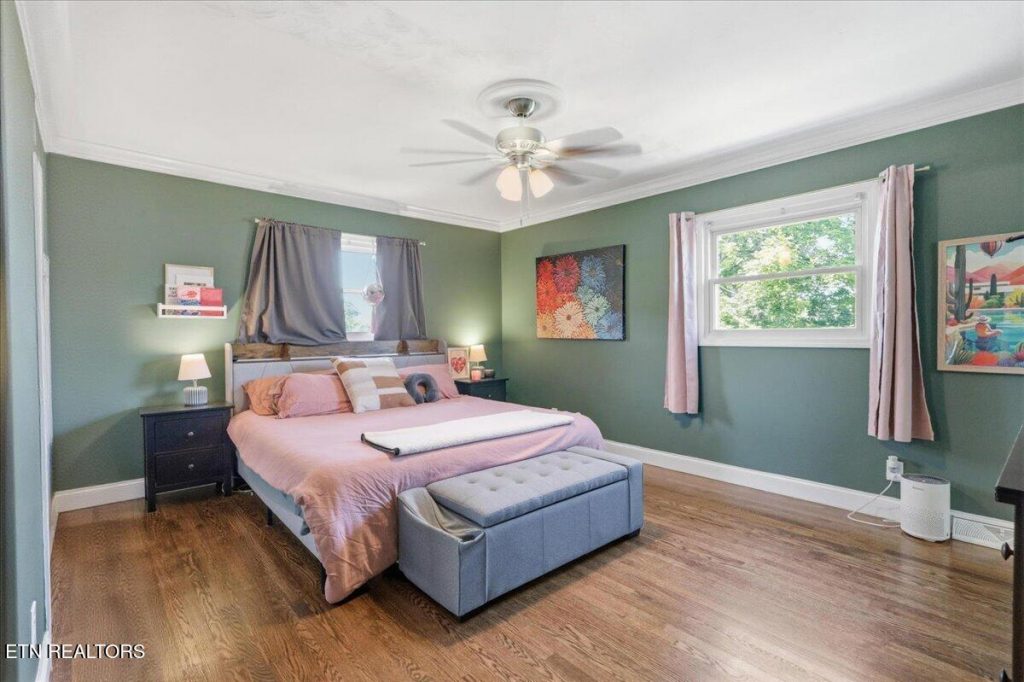
Natural light can make or break a showing. It changes how a home feels, how it photographs, and how buyers experience every single room they walk into.
All blinds and curtains need to be open — every single one. Let as much natural light pour in as possible. For rooms that feel a little dark or closed in, soft lamp lighting makes a much bigger difference than overhead lighting. Overhead lights can feel harsh and flat. A well-placed lamp creates warmth and dimension and makes a room feel like somewhere you’d actually want to spend time.
The room where lighting makes the biggest difference for me personally? The kitchen. Every time. And if a seller has under-cabinet lighting — that is such a classy, welcoming touch. Turn it on for every showing without exception.
Soft, adequate lighting sets the stage for a good showing experience. Buyers should feel relaxed and comfortable moving through your home — not like they’re walking through a showroom or a space that doesn’t quite feel lived in.
Tip 4 — Define Every Room’s Purpose
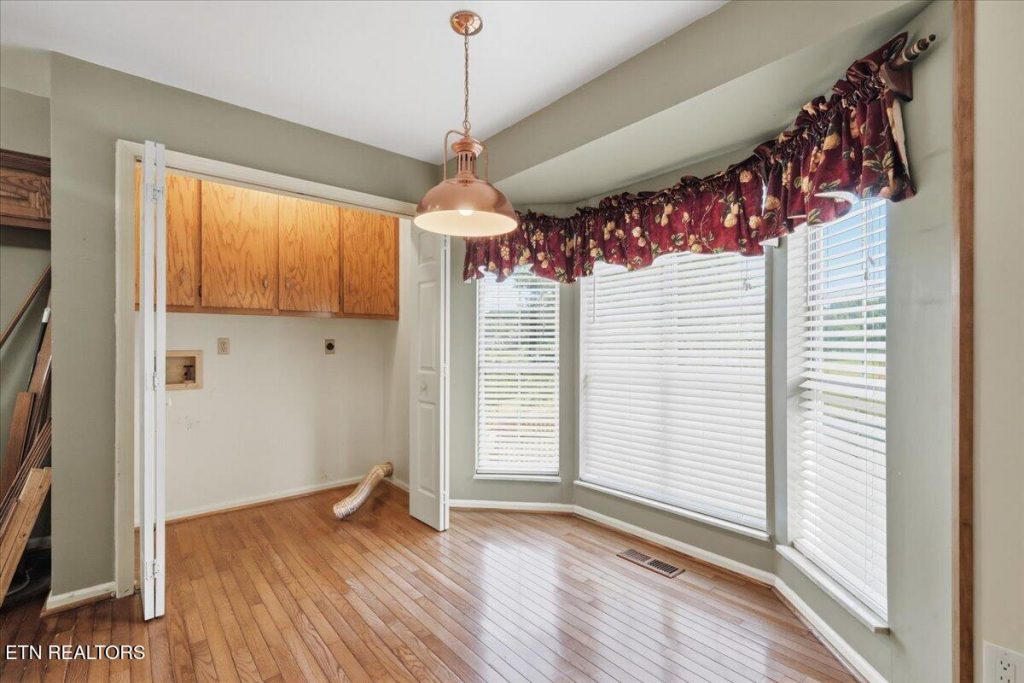
Buyers need to walk into a room and understand immediately what it is. If they have to stop and think about it, you’ve lost momentum in the showing.
I’ve walked into homes where bedrooms had been turned into storage rooms, dining rooms had become home offices, and bonus rooms were filled with things that didn’t belong anywhere else. Every time, I watched buyers struggle to mentally reassign those spaces — and when buyers are confused, they start to question value.
Every room needs a clear identity before a single showing happens. If a room is oddly shaped or awkward, my advice is to keep it as empty as possible. Let the room speak for itself without furniture fighting against it. And for empty corners or underused spaces — even a simple desk and a chair says “home office” to a buyer. You don’t need much. Just enough to help them see the possibility.
Tip 5 — Make It Smell and Feel Like Home
This is the one that people underestimate the most — and the one buyers remember longest.
Most buyers know within the first few minutes of a showing whether a home is making their top three list. That decision is almost entirely emotional and it happens fast. So every sensory detail in those first moments matters more than you might think.
For smell — essential oils, candles, or mild plug-ins all work beautifully. Clean, soft, welcoming. Nothing overpowering and nothing that feels like it’s covering something up. The home I mentioned at the beginning of this post? That diffuser was the first thing everyone noticed — in the best possible way.
Temperature matters more than most sellers realize. I showed a home one April where it was 85 degrees inside because the heat was still running. Before we’d even gotten past the entryway, my buyers were concerned the air conditioning wasn’t working. That one thing — one thing that could have been fixed with a simple thermostat adjustment — colored the entire rest of the showing.
Comfortable temperature. Soft lighting. A clean welcoming scent. These things cost almost nothing and they set the stage for buyers to fall in love.
The Bottom Line — And It’s a Simple One
Staging doesn’t have to be overwhelming or expensive. Most of the time the biggest impact comes from the simplest things.
And my single most impactful low-cost tip? Clean. Clean. Clean. I cannot say it enough. A spotlessly clean home tells buyers everything they need to know about how a home has been cared for. It is the foundation that every other staging tip builds on.
Selling your home is one of the biggest decisions you’ll ever make. I share these tips because I want you to get the highest price in the shortest amount of time — and I’ve seen what a difference preparation makes. Let’s schedule a time for me to tour your home and make a plan together.
That’s what I’m here for.
Ready to talk? Reach out at yourbethlife.com/contact — I’d love to hear from you.
— Beth ♥